


How to Exercise Safely
Embarking on a fitness journey can feel overwhelming, but it doesn't have to be. Whether you're a complete beginner taking your first steps or looking to refine your technique, this comprehensive "How to Exercise" guide is your go-to resource. We'll cut through the confusion, offering clear, actionable advice on everything from mastering proper form for foundational movements to understanding how to warm up effectively and prevent injuries. Get ready to build a strong, sustainable fitness routine that helps you achieve your goals safely and efficiently.
How To Exercise Index:
How To Warm Up Effectively
How To Cool Down and Recover
How To Prevent Common Fitness Injuries
Frequently Asked Fitness Questions
Important Disclaimer
Always consult a healthcare professional before starting any new exercise routine. Stop immediately if you feel pain, dizziness, or discomfort. Express Fitness Urban is not liable for injuries resulting from use of this guide.
Welcome To Your Complete Fitness Guide
Embarking on a fitness journey, or pushing past current limits, can feel like a significant challenge. This comprehensive guide is designed to be your trusted companion, breaking down complex exercise concepts into clear, actionable steps. Whether you're aiming to build strength, boost endurance, or simply improve your overall well-being, we're here to equip you with the knowledge and confidence to move, learn, and achieve your goals effectively and safely. Let's get started on your path to a healthier, stronger you!


How To Warm Up Effectively
A proper warm-up prepares your body for exercise, improving performance and significantly reducing the risk of injury. Don't skip this crucial step! It generally involves three key components:

"Warming up correctly helps reduce the risk of injury, as it increases the flow of blood to the muscles and prepares the body for more intense physical activity. This can help protect muscles, joints, and tendons from strain or damage."
Light Cardio (5 - 10 minutes)
Start with gentle aerobic activity to gradually increase your heart rate and blood flow, and warm up your muscles.
Examples:
-
- Brisk walking
- Light jogging
- Cycling at a low intensity
- Jumping jacks (low impact)
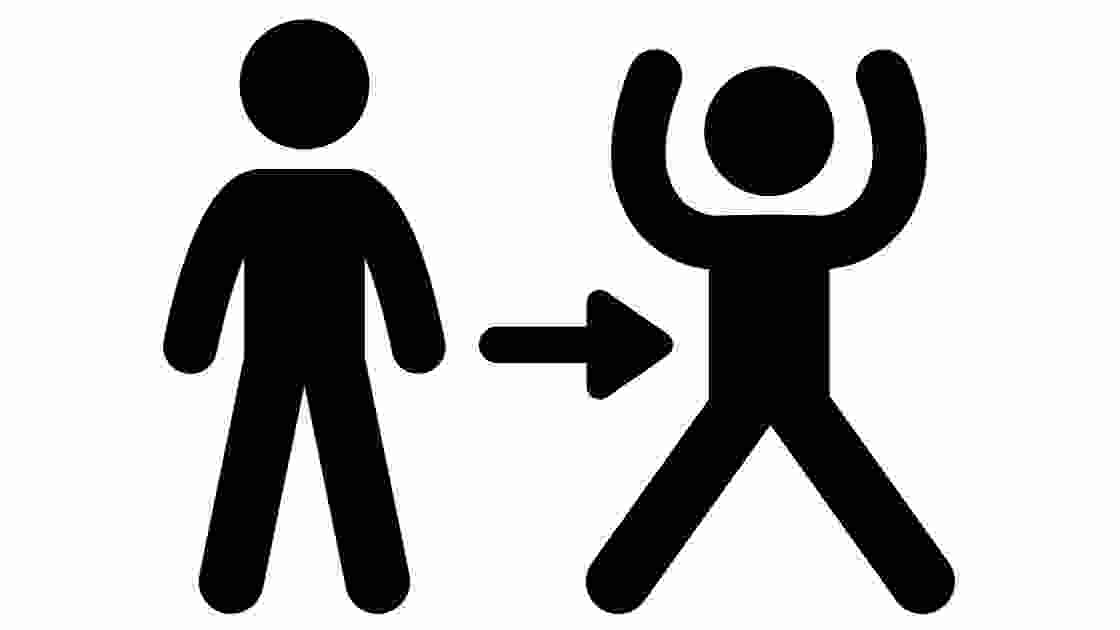
Dynamic Stretches (5 - 10 minutes)
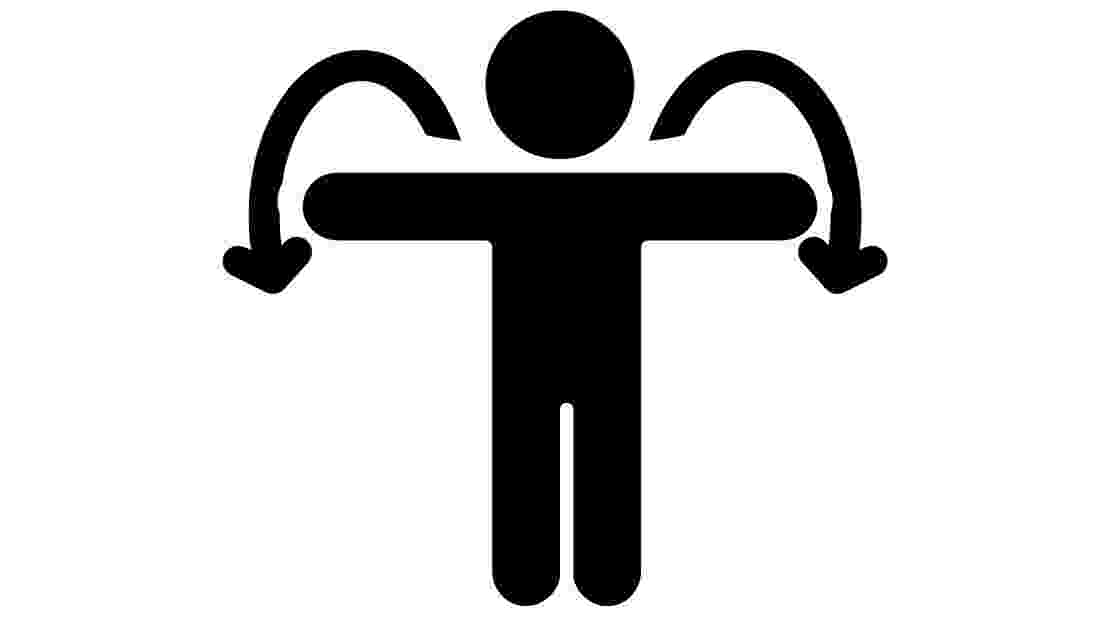
Unlike static stretches (holding a stretch), dynamic stretches involve controlled movements that take your joints and muscles through a full range of motion. This activates the muscles you'll be using in your workout.
Key Principles: Perform 10-15 repetitions of each movement, focusing on controlled motion rather than speed.
Examples of movements:
-
-
Arm circles (forward and backward)
-
Leg swings (forward/backward and side-to-side)
-
Torso twists
-
Walking lunges with a twist
-
High knees
-
Butt kicks
-
Cat-Cow stretch
-
Movement Preparation (2-5 minutes)
This final phase is about preparing your body for the specific movements you'll be doing in your main workout. It often involves lighter versions of the exercises themselves.
If you're lifting weights: Do 1-2 sets of the first exercise with very light weight (or just your body weight) to groove the movement pattern.
If you're running: Include some light drills like skips, strides, or lateral shuffles.
If you're playing a sport: Mimic some of the actions involved in the sport at a lower intensity.
How To Cool Down And Recover
Cooling down and incorporating proper recovery techniques are just as vital as the workout itself. They help your body transition from exercise to rest, reduce muscle soreness, and prepare you for your next session.
"Living an overall healthy lifestyle is the most important step you can take to maximize your recovery from working out. No recovery method can compensate for poor nutrition and a lack of rest."
Static Stretches (5-10 minutes)
Unlike dynamic stretches (which are for warming up), static stretches involve holding a stretch for a period (typically 20-30 seconds) to improve flexibility and lengthen muscles that have contracted during your workout.
Key Principles: Stretch muscles while they are still warm, but avoid bouncing. Stretch to the point of mild tension, not pain.
Focus on: Major muscle groups worked during your exercise, such as hamstrings, quadriceps, glutes, chest, and back.
Examples:
-
-
Hamstring stretch (seated or standing)
-
Quad stretch (standing or lying)
-
Calf stretch
-
Tricep stretch
-
Chest opener
-

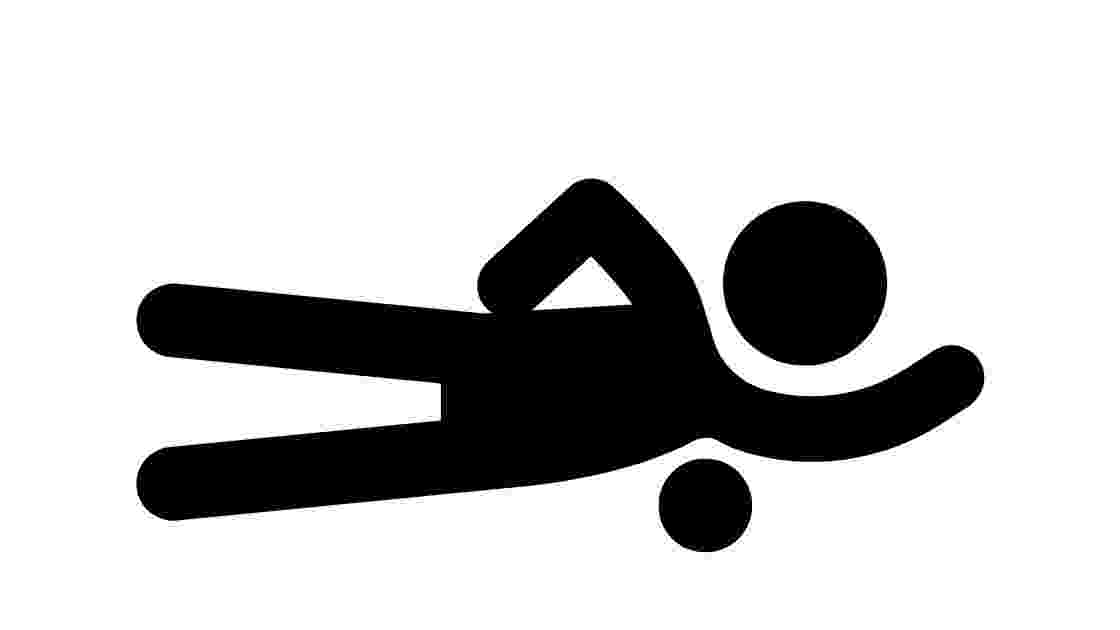
Foam Rolling & Myofascial Release (5-10 minutes)
Foam rolling is a self-massage technique that can help release muscle tightness and knots, improve blood flow, and enhance flexibility.
How it works: Apply pressure to tight areas using a foam roller or massage ball. Roll slowly over tender spots, pausing for 20-30 seconds on areas of discomfort (trigger points).
Focus on: Areas prone to tightness from your workout, such as glutes, IT band, quads, hamstrings, and upper back.
Basic Recovery Techniques
Beyond stretching and foam rolling, integrating these simple habits into your routine can significantly aid recovery:
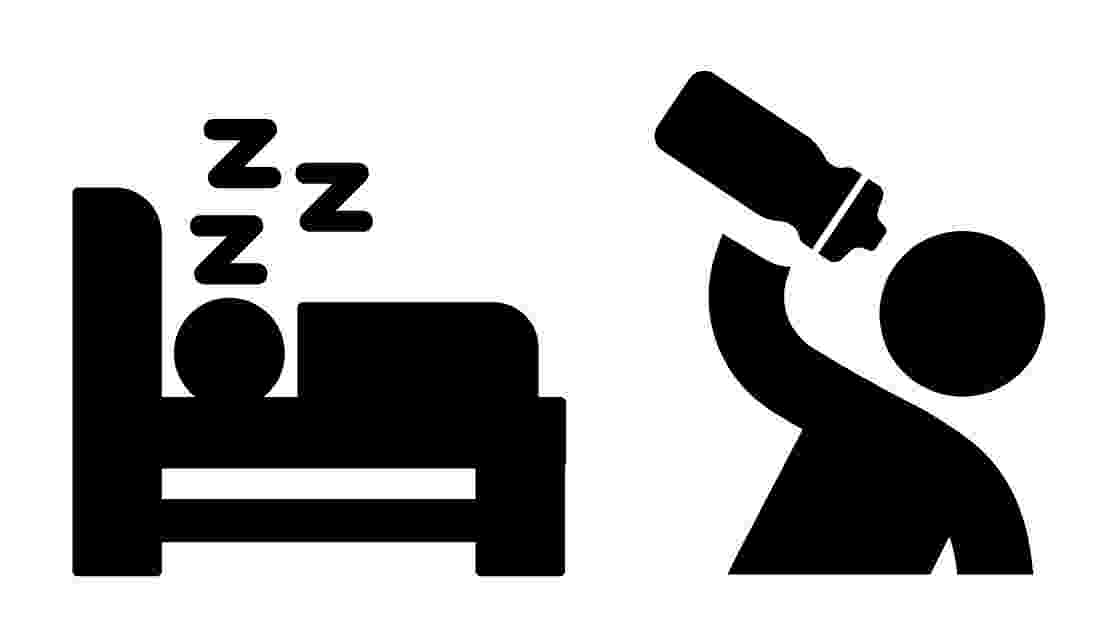
Hydration: Replenish fluids lost during exercise by drinking plenty of water throughout the day.
Nutrition: Consume a balanced meal or snack post-workout, focusing on protein for muscle repair and carbohydrates for energy replenishment.
Rest & Sleep: Allow your body adequate time to repair and rebuild. Prioritize 7-9 hours of quality sleep per night.
Listen to Your Body: Pay attention to signs of overtraining or excessive soreness, and adjust your activity as needed.
How To Prevent Common Fitness Injuries
While exercise is incredibly beneficial, injuries can happen. Fortunately, most common fitness injuries are preventable with the right knowledge and habits. Prioritizing prevention ensures a safer, more consistent, and ultimately more rewarding fitness journey.
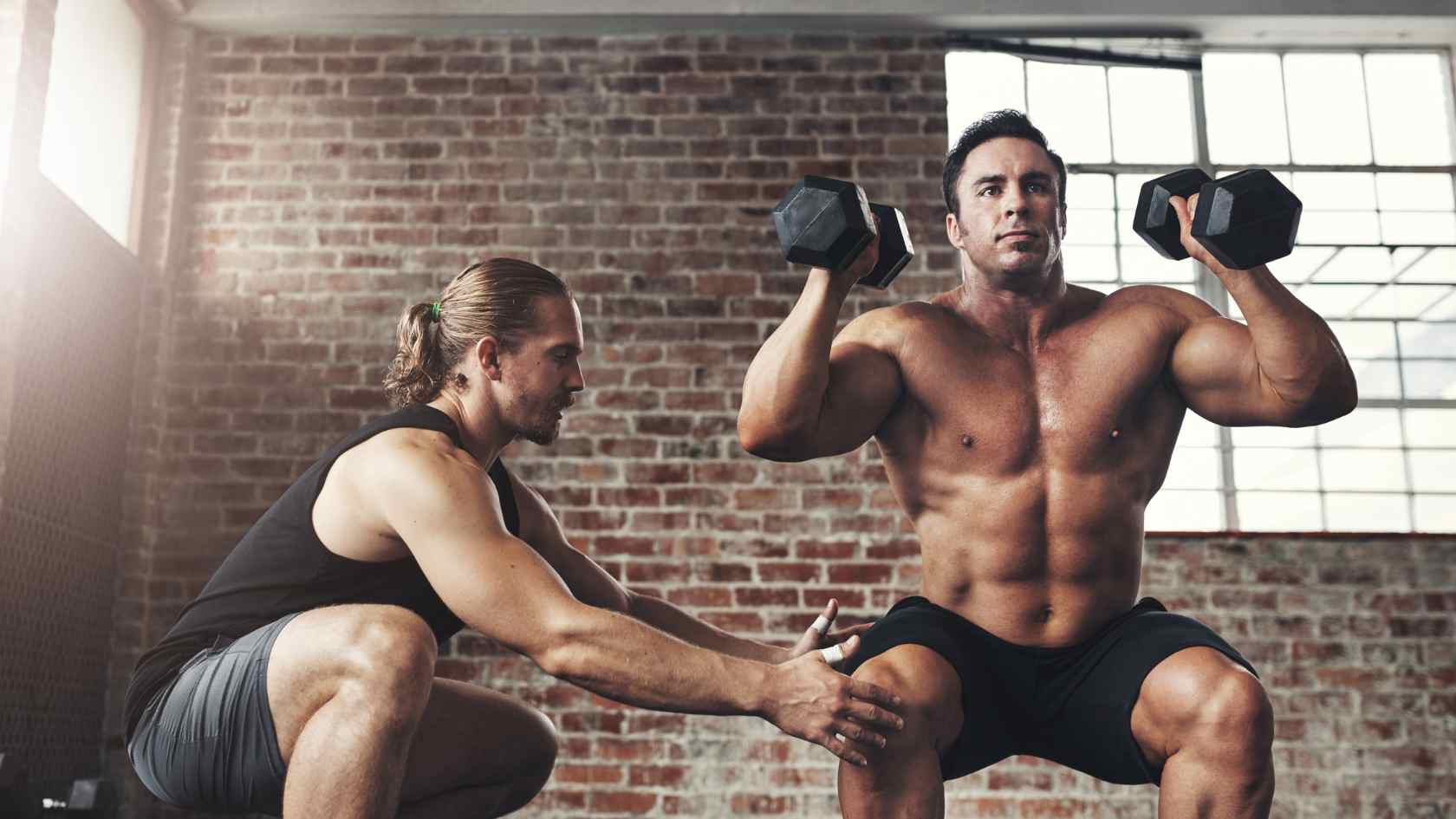
"One of the biggest exercise errors is using improper technique. You risk back injury if you arch your back while doing planks or push-ups, and knee injury if you bend too deeply in a lunge or squat."
Master Proper Form and Technique
Incorrect form is a leading cause of injury. Focus on quality of movement over quantity or weight.
-
Learn from Reputable Sources: Utilize qualified trainers, clear instructional videos (like those you provide!), and detailed guides.
-
Start Light: When learning a new exercise, begin with bodyweight or very light resistance to perfect the movement pattern before adding load.
-
Use Mirrors/Recordings: Observing your form can help you identify and correct errors.
-
Seek Feedback: Don't hesitate to ask a knowledgeable spotter or trainer for form check
Listen to Your Body
Ignoring warning signs is a recipe for injury. Learn to distinguish between muscle soreness (good) and pain (bad).
-
Distinguish Pain vs. Soreness: Muscle soreness is usually a dull ache that fades. Sharp, sudden, or persistent pain during or after exercise is a sign to stop and re-evaluate.
-
Don't Push Through Pain: If an exercise causes pain, stop immediately. Attempting to push through it can worsen an existing issue or create a new one.
-
Pay Attention to Fatigue: Overtraining or exercising when excessively fatigued compromises form and increases injury risk.

Gradual Progression is Key
Your body needs time to adapt to new stresses. Rushing progression is a common mistake that leads to setbacks.
- The 10% Rule (Guideline): As a general guideline, avoid increasing your weekly training volume, intensity, or duration by more than 10%.
- Progressive Overload (Smartly): While progressive overload is essential for results, apply it gradually. Add reps, sets, or weight incrementally, not drastically.
- Introduce New Exercises Slowly: When adding a new, complex exercise, take your time to learn it and integrate it into your routine without immediately maxing out.
- Vary Your Workouts: Incorporate different types of exercise (e.g., strength, cardio, flexibility) to work different muscle groups and reduce repetitive stress.
Frequently Asked Questions About Our Delivery and Installation Policy
What are the delivery costs for new fitness equipment from EFU?
Delivery costs for new equipment are included in the price of the goods. EFU uses either its local technical team or a courier company for these deliveries.
Are there any delivery costs for parts or sale items?
Yes, delivery costs for parts and sale items are not included in the item's price. EFU will provide a separate quote for these costs, which are based on estimates from courier companies. Please note that these charges may be adjusted for any additional or unforeseen costs.
What is the policy for damages during delivery?
Any damages to the product must be reported to EFU within 24 hours of receiving the goods. Failure to do so may result in your claim being rejected.
Does EFU provide installation services?
Installation is included for all equipment delivered within Gauteng. For all other regions, you will receive a separate quote for installation, which will include travel costs. If an installation is not agreed upon, the customer is responsible for assembly, and EFU's technical team can provide assistance via a video call if needed.
What is covered under the product warranty?
The warranty on each product covers both labor and parts. However, it specifically excludes travel time and costs, which must be quoted for separately. It's important to note that the warranty is only valid for "Fit for Purpose" usage; for example, using a product designated for "Home Use" in a commercial or semi-commercial facility will void the warranty.
Breathe new life into your fitness routine
With over 50 years of combined experience, our dedicated Product Specialists have a proven track record of personalised service and award-winning, IEC-certified home gym solutions.
Glowing customer feedback and a 0% return rate on our products are complemented by typically fast delivery, and a guaranteed buy-back option on all equipment purchases.
We promise to provide the best possible experience for our customers, with expert guidance, competitive pricing, excellent customer service, and a reliable warranty.
We guarantee that our fitness equipment products and after-sales service will meet or exceed customer expectations in all areas.
Unit G03 Kramerville Corner, 10 Kramer Rd, Kramerville, Sandton, 2090

Contact Us
Guaranteed best in class for advice, value, service, and warranty.
Glowing customer feedback and a 0% return rate on our products are complemented by typically fast delivery and a guaranteed buy-back option on all equipment purchases.


Find the right fitness equipment
One of our knowledgeable Product Specialists will help you find the right gym equipment for your needs.
Choose a finance option
Pay cash upfront or apply for our convenient payment plan– we have a finance solution to suit your pocket.
We deliver & install within 48 hrs
Our dedicated, nationwide maintenance team will deliver and install your equipment within 48 hours of payment.
Reach your fitness goals
Now it’s over to you to begin your personal fitness journey toward a stronger, happier you.
